When it comes to home maintenance in Florida, roofing is a key concern. The state’s unique climate and building regulations pose specific challenges. As a roof installer for residential and commercial projects in Jacksonville and across Florida since 2008, we get asked about the benefits of shingles vs metal a lot.
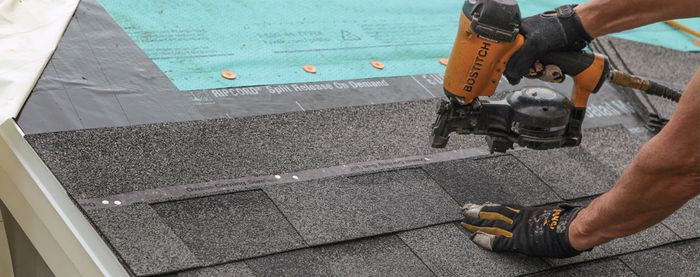
One question that often arises is whether it’s possible to install a new roof over old shingles. This practice, known as a roof overlay, can save time and money. However, it’s not a decision to be taken lightly. This article will delve into the pros, cons, and considerations of roof overlays in the Sunshine State.
Understanding Roof Overlays in Florida
A roof overlay involves installing new shingles over the existing ones. While it’s a common practice in many parts of the US, In Florida’s harsh climate and building codes make the decision to overlay not as straightforward. Wind, humidity, and storms can impact whether an overlay is a good idea.
Consulting with a licensed Florida roofing expert is crucial before deciding. They can assess the existing roof, check for structural issues, and ensure your project complies with local codes.
Remember, a well-informed decision now can save you from potential issues down the line.
Pros and Cons of Installing Over Old Shingles
Installing a new roof over old shingles has its advantages. The most notable one is cost savings. You save on labor and disposal costs associated with removing the old roof. The installation time is also shorter.
However, there are downsides to consider. One is potential issues with roof ventilation. Another is the reduced lifespan of the new roof. Overlaying can also mask underlying problems that need addressing.
Here’s a quick rundown of the pros and cons:
- Pros: Cost savings, shorter installation time
- Cons:
Ventilation issues: An extra layer can trap heat and moisture.
Shorter lifespan: The new shingles may not last as long.
Hidden problems: Damage beneath the old shingles can go unnoticed, leading to leaks or structural issues.
Weigh these factors carefully before making a decision.
Florida Building Codes and Roofing Regulations
Florida building codes are designed to protect homes from storm damage and structural issues. Before choosing an overlay, confirm your local jurisdiction allows it. Many Florida counties prohibit overlays or limit them to a single additional layer.
A professional roof inspection is essential. It confirms whether your structure can handle the extra weight and identifies any hidden damage that needs to be addressed.
Remember, non-compliance with building codes can lead to penalties, and ignoring codes can lead to fines and complications if you sell your home. Always ensure your project meets Florida’s local regulations.
Why Many Florida Homeowners Switch from Shingle to Metal Roofs
After considering the challenges of adding another layer of shingles, many Florida homeowners with aging shingle roofs often decide it’s time to move to a metal roof. It’s not just about aesthetics — metal roofing offers a longer lifespan, often lasting 40 to 70 years, and can handle Florida’s intense storms, heavy rains, and high winds far better than asphalt shingles. Homeowners also appreciate the energy efficiency that metal roofs provide, reflecting heat and helping reduce cooling costs during Florida’s hot summers.
Metal roofing offers:
Longer lifespan: 40–70 years of performance, outlasting asphalt shingles.
Storm durability: Florida-approved panels resist high winds, hail, and heavy rain.
Energy efficiency: Reflects heat, helping lower cooling costs in Florida’s climate.
Low maintenance: Resists rot, pests, and mold common in humid environments.
While many also worry about the upfront investment, metal roofs often pay for themselves over time through reduced maintenance, fewer replacements, and increased property value. For many homeowners, the decision to move to metal is about peace of mind, knowing their home is protected year after year in Florida’s challenging climate.
Choosing the Right Materials and Roofing Experts
Material choice affects how well your roof performs after an overlay. Using high-quality shingles or metal roof panels designed for Florida’s heat and storms is essential.
Equally important is choosing a licensed, insured Florida roofing contractor. Experienced professionals ensure your overlay meets code, maintains ventilation, and is installed correctly. Remember, some manufacturer warranties may be voided if shingles are installed over old layers. Always verify warranty implications before moving forward.
The Impact on Roof Warranty and Insurance
Installing a new roof over old shingles can affect the warranty of your new roofing materials. Some manufacturers may not honor the warranty in such cases. Your home insurance policy may also be impacted. Some insurers may increase premiums or deny coverage for roofs with multiple layers.
It’s essential to discuss these potential impacts with your insurance provider and roofing contractor. They can provide accurate information tailored to your situation. Remember, making an informed decision can save you from unexpected costs and complications down the line.
Making an Informed Decision
Installing a new roof over old shingles in Florida is possible, but it requires careful consideration of various factors. These include local building codes, the condition of your existing roof, and potential impacts on warranties and insurance. Consulting with Florida roofing experts can help guide your decision. Ultimately, the choice should be based on what’s best for your home’s long-term health and your financial situation.
For expert advice on switching from a shingle to a metal roof, inquire online or call us at 904-553-0069 today!


